

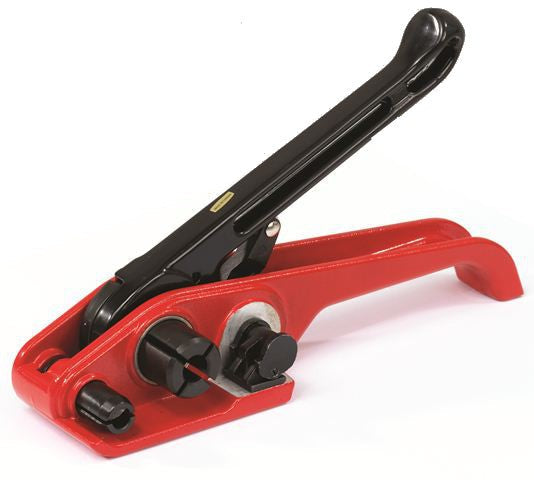
Equiptment
Complete Packing Station
A complete packing station is designed to bring the most-used packing tasks into one organised workspace, helping teams pack orders consistently, safely and efficiently. This product listing represents a configurable packing-station solution intended for day-to-day despatch and warehouse packing environments where speed, repeatability and tidy stock control matter.
Rather than relying on separate tables, loose dispensers and ad-hoc storage, a packing station groups the core functions—work surface, packing-material access and operator workflow—into a single setup. The result is a cleaner bench, fewer interruptions to restock or search for tools, and a more standardised packing process across staff and shifts.
Key Features
- Centralised packing workflow: Keeps the main packing steps in one place to reduce walking, reaching and time lost between tasks.
- Designed for repeatable results: A consistent workstation layout supports consistent packing quality across multiple operators.
- Space-efficient organisation: Helps keep consumables and tools arranged so the bench stays clear and usable.
- Suitable for busy despatch areas: Built as a practical solution for regular order fulfilment and packing operations.
- Configurable listing: This page may represent multiple options/variants, so the exact configuration can vary.
Typical Uses
- Order fulfilment and despatch packing for eCommerce and trade counters
- Warehouse pick/pack benches and goods-out areas
- Returns processing and repacking
- General packing of cartons, parcels and protective materials
Complete Packing Station — Full Product Guide
Choosing the right packing station is about more than having a table to work on. A well-planned station supports the full packing cycle: receiving picked items, selecting the right carton or mailer, adding protective packaging, sealing, labelling and staging for carrier collection. When these steps are supported by a dedicated workstation, packing becomes faster and more consistent, and the working area stays safer and easier to manage.
This guide explains what a complete packing station is intended to do, how to think about layout and workflow, and what to consider when specifying a station for your operation.
How It Works
A packing station acts as the operator’s “home base” for packing tasks. The goal is to minimise unnecessary movement and decision-making by placing the most-used items within easy reach and keeping the work surface clear for the parcel being packed.
In a typical workflow:
- Items arrive at the station from picking or replenishment.
- The operator selects packaging (carton, mailer, void fill, cushioning) appropriate to the order.
- Protective materials are applied to reduce movement and protect corners, edges and surfaces.
- The parcel is sealed and prepared for labelling.
- Completed parcels are staged for carrier collection or moved to a manifesting area.
By keeping tools and consumables organised, the station supports a smooth, repeatable process—especially important when multiple people pack the same product range.
Materials and Construction
Packing stations are typically specified for durability and daily use. In practical terms, that means a stable work surface, robust frame and fittings that can cope with repeated handling of cartons, tape and packing materials.
When assessing a packing station for your site, consider:
- Work surface durability: A surface that resists everyday scuffs and is easy to wipe down helps maintain a clean packing area.
- Stability: A rigid frame reduces wobble when sealing cartons or handling heavier parcels.
- Practical layout: Storage and access points should support the way your team packs (for example, keeping frequently used consumables closest to the operator).
Because this listing can represent multiple configurations, the exact construction details may vary depending on the option supplied.
Workflow and Ergonomics
Ergonomics is a major factor in packing performance. A station that supports comfortable working posture can reduce fatigue and help maintain speed and accuracy throughout the day.
- Reach zones: Place the most-used items (tape, labels, void fill) within easy reach to reduce repetitive stretching.
- Clear working area: Keep the central surface free for the parcel; store consumables so they don’t encroach on the packing space.
- Standardised layout: If you run multiple stations, keeping them consistent helps staff move between benches without losing efficiency.
If you are planning a new goods-out area, it can be helpful to map the packing steps and then position tools and consumables to match the sequence.
Floor Type Compatibility
Packing stations are generally used on typical warehouse and industrial floors. For best results, ensure the station is positioned on a stable, level surface so the worktop remains steady during sealing and handling.
If your floor is uneven or you plan to relocate the station regularly, consider how you will maintain stability and keep the surrounding area clear for safe movement of staff and trolleys.
Health and Safety
A tidy, well-organised packing area supports safer working. A complete packing station helps reduce clutter and can make it easier to keep walkways clear.
- Trip hazards: Keeping consumables stored and off the floor reduces the chance of trips.
- Manual handling: A stable workstation supports controlled handling of parcels and cartons.
- Cutting and sealing tasks: Ensure any cutting tools are stored safely and used according to your site procedures.
Always follow your internal risk assessments and safe systems of work for packing operations.
Ideal Applications and Use Cases
This type of packing station is commonly used wherever parcels are packed repeatedly throughout the day and where consistency matters.
- eCommerce fulfilment: Fast packing of mixed SKU orders with consistent presentation.
- Trade and wholesale despatch: Packing cartons for courier collection with repeatable sealing and labelling.
- Manufacturing and kitting: Packing finished goods or kits with protective materials and clear labelling.
- Returns and refurbishment: Repacking items for resale or transfer.
Maintenance, Cleaning and Care
Keeping a packing station clean and organised helps maintain efficiency. A simple routine can make a big difference:
- Daily: Clear the work surface, remove waste, and restock key consumables so the next shift starts ready.
- Weekly: Check that tools and dispensers are functioning smoothly and that storage areas remain tidy.
- Ongoing: Review the layout as order profiles change—small adjustments can improve speed and reduce errors.
Where possible, keep packaging materials protected from dust and damage so they remain presentable for customers.
Case Study (Example Workflow Improvement)
A common challenge in busy goods-out areas is “micro-delays”: walking to fetch tape, searching for labels, or clearing space on a cluttered bench. By consolidating packing tasks into a dedicated station and standardising where consumables are stored, teams often reduce interruptions and improve consistency.
For example, a small fulfilment team can benefit from:
- Keeping the most-used consumables at the station rather than in a separate cupboard
- Maintaining a clear work surface so cartons can be assembled and sealed without moving other items
- Using a consistent layout so any operator can step in and pack confidently
The exact improvement depends on your order mix and process, but the principle is the same: reduce wasted motion and keep the packing sequence smooth.
Who Is It For?
- Warehouses and despatch teams packing parcels daily
- Businesses scaling up fulfilment and needing a more organised goods-out area
- Operations aiming to standardise packing quality across staff
- Sites looking to reduce clutter and improve packing workflow
Colours / Features Available
This product page may represent multiple variants or configurations. If you require a specific feature set or finish, confirm the exact option required when ordering.
Sizes Available
As a configurable listing, this product may be available in different options. Where bespoke sizes or cut-length options are offered as part of the configuration, select the appropriate variant for your requirements.
Need help choosing the right setup? If you can share your typical parcel sizes, daily order volume and the consumables you use most, it’s easier to recommend a packing-station configuration that fits your workflow.