

Equiptment
Platform Step Ladder — Overview
A platform step ladder is designed to give you a stable, comfortable working position for tasks that take more than a few seconds. Instead of balancing on a narrow rung, you step up onto a larger standing platform and work with both feet supported. This style of ladder is commonly chosen for facilities, warehouses, retail back-of-house areas, maintenance teams, and trade environments where repeated up-and-down movement is part of the job.
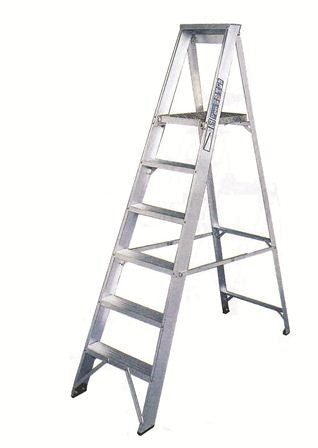
This product listing is for a Platform Step Ladder (6 tread). As a configurable product page, the exact specification may vary by option, but the core purpose remains the same: provide a safer-feeling, more usable elevated working position than a basic step ladder for routine access and light-to-medium duty work at height.
Key Features
Platform standing area
A larger standing platform helps reduce foot fatigue and improves stability during tasks such as picking, inspection, cleaning, and fitting.
Step-and-platform access
Multiple treads allow controlled ascent and descent, supporting frequent use in busy working environments.
Designed for practical work at height
Platform step ladders are typically selected when you need to work with both hands, handle tools, or remain in position for longer than a quick reach.
Suitable for many workplace settings
Commonly used across maintenance, facilities management, stock handling, and general site work where a compact access solution is needed.
- Stable platform for standing compared with narrow rungs
- Multiple treads for controlled climbing
- Practical for repeated tasks such as picking, cleaning, and inspection
- Workplace-friendly format for trade and facilities use
Typical Uses
- Stock picking and shelf replenishment
- Facilities maintenance checks and inspections
- Cleaning and janitorial tasks
- Light installation and fitting work
- Accessing stored items in workshops, stores, and back rooms
Platform Step Ladder — Full Product Guide
Choosing the right access equipment is about more than just reaching a height. It’s about stability, comfort, and suitability for the environment you’re working in. A platform step ladder is often the preferred choice when you need a compact ladder that still provides a more secure working position than a standard stepladder.
How It Works
A platform step ladder combines a set of climbing treads with a larger standing platform near the top. You climb the treads in the usual way, then step onto the platform to work. The platform gives you a broader base underfoot, which can help you feel more secure and can reduce fatigue during longer tasks.
In many workplaces, the platform format is chosen because it supports a more natural stance while working—particularly when you need to face your task directly, handle tools, or remain in position for a short period.
Materials and Construction
Platform step ladders are commonly manufactured in robust materials intended for regular use in trade and workplace environments. Depending on the model and variant, you may see designs that prioritise portability, durability, or suitability for specific working conditions.
When comparing options, consider the overall build quality, the feel of the treads underfoot, and how stable the ladder feels when opened and positioned. If you are selecting for frequent use, it’s worth prioritising a ladder that feels solid and confidence-inspiring in day-to-day operation.
Floor Type Compatibility
In real-world use, the floor surface matters as much as the ladder itself. Smooth warehouse floors, painted concrete, tiled areas, and workshop surfaces can all behave differently under load. Always place the ladder on a firm, level surface and ensure it is fully opened and stable before climbing.
If your environment includes uneven ground, ramps, or outdoor surfaces, consider whether a different access solution is more appropriate. Platform step ladders are typically best used on stable, level floors where the base can sit evenly.
Health and Safety
Working at height carries risk, and safe use is essential. Always follow your site’s working-at-height procedures and any relevant guidance for ladder use. As general good practice:
- Inspect the ladder before use for damage, looseness, or contamination (e.g., oil/grease).
- Use on a level, stable surface and ensure the ladder is fully opened and locked (where applicable).
- Maintain three points of contact while climbing.
- Do not overreach—move the ladder instead.
- Keep the area around the ladder clear of obstacles and foot traffic where possible.
If you need to carry tools or parts, consider using a tool belt or hoisting method appropriate to your workplace rules, rather than climbing with hands full.
Ideal Applications and Use Cases
This style of ladder is commonly selected for tasks that are frequent, repetitive, or require a steadier stance than a basic step ladder provides. Typical scenarios include:
- Warehousing and stockrooms: picking items, checking labels, rotating stock.
- Retail operations: merchandising, signage changes, shelf adjustments.
- Facilities management: routine inspections, minor repairs, access to fixtures.
- Cleaning teams: reaching high surfaces, vents, and fittings.
- Workshops: accessing stored tools and materials, light fitting tasks.
If your work involves extended time at height, heavier loads, or frequent lateral movement, you may need a different access platform solution. For short-to-medium duration tasks, a platform step ladder is often a practical balance of footprint and usability.
Maintenance, Cleaning and Care
Keeping access equipment clean and well maintained helps extend service life and supports safer use. Recommended routine care includes:
- Wipe down treads and the platform to remove dust, debris, and any slippery residues.
- Store in a dry area to reduce corrosion risk and keep moving parts clean.
- Check for loose fixings and signs of wear as part of regular inspections.
- Keep labels and safety markings legible where present.
In busy environments, a quick visual check before each use and a more formal periodic inspection schedule can help identify issues early.
Case Study (Typical Workplace Scenario)
Scenario: A facilities team needs a compact access solution for weekly checks of lighting, signage, and ceiling-level fixtures in corridors and storerooms.
Challenge: A standard step ladder is quick to deploy, but staff report discomfort when standing on narrow rungs during longer checks, and they need a steadier stance for two-handed tasks.
Outcome: Switching to a platform step ladder provides a larger standing area, improving comfort and confidence during routine inspections. The team can complete checks efficiently while maintaining good working posture and reducing the temptation to overreach.
This is a representative example of how platform step ladders are commonly used; always select equipment appropriate to your specific environment and risk assessment.
Who is it for?
- Facilities and maintenance teams needing a reliable ladder for routine tasks
- Warehouse and stockroom staff performing frequent picking and checks
- Retail operations for merchandising and back-of-house access
- Workshops and trade users needing a compact, practical access solution
Colours / Features Available
As this is a configurable product listing, available features and finishes may vary by option. Please refer to the selected variant details on this page for the exact configuration supplied.
Sizes Available
This listing represents a platform step ladder range/option set. Please select the required variant for the exact tread count and specification shown on the product page.
Need help choosing?
If you’re unsure which platform step ladder is best for your application, consider how often it will be used, the type of floor it will be placed on, and whether the task requires longer standing time on the platform. If you share your use case, we can help you narrow down the most suitable option.