

Equiptment
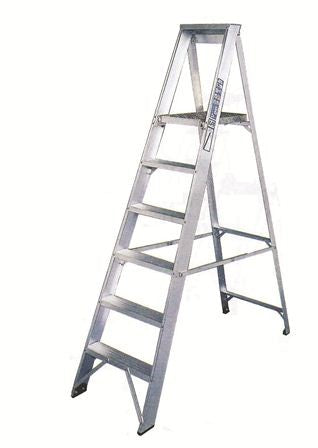
Platform Step Ladder (10 Tread) — Overview
A platform step ladder is designed to give you a stable, comfortable standing position for tasks that need both hands—ideal for maintenance, installation, stock picking, and general site work. This 10-tread platform step ladder is intended for professional and trade environments where a secure stance, predictable footing, and easy repositioning matter.
Unlike standard step ladders that encourage you to work from a narrow rung, a platform ladder provides a larger standing area at the top, helping reduce fatigue during longer jobs and improving confidence when working at height. It’s a practical choice for facilities teams, contractors, warehouses, and anyone who needs a dependable access solution for repeated up-and-down use.
Key Features
Platform standing area:
A dedicated top platform provides a more comfortable working position than a standard rung, supporting steadier posture for tasks that take time.
Multi-tread access:
With multiple treads leading to the platform, the ladder supports controlled climbing and frequent repositioning during routine work.
Designed for trade environments:
Platform ladders are commonly selected for professional settings where stability, repeatability, and ease of use are priorities.
Suitable for a wide range of tasks:
From fitting and inspection to cleaning and light installation work, a platform ladder is a versatile piece of access equipment.
Key Features (Bullet Summary)
- Platform-style top standing area for improved comfort during longer tasks
- Multiple treads for controlled ascent and descent
- Practical for maintenance, facilities, warehouse and trade use
- Helps support safer working habits compared with standing on narrow rungs
Typical Uses
- Facilities maintenance and routine inspections
- Warehouse stock access and picking (where a ladder is appropriate)
- Electrical and mechanical installation tasks that require two hands
- Cleaning, decorating, and general building services work
- Retail and commercial fit-outs
Platform Step Ladder — Full Product Guide
Choosing the right access equipment is about more than height. The best ladder for the job supports stable footing, predictable movement, and a working position that helps you stay focused on the task rather than balancing. Platform step ladders are widely used because they combine the familiar footprint of a step ladder with a more comfortable top standing position.
How It Works
A platform step ladder functions like a traditional step ladder: you climb the treads to reach a working height. The difference is at the top—rather than standing on a narrow rung, you step onto a platform area designed to provide a broader stance. This can make it easier to work with tools, handle components, or perform repetitive actions without constantly shifting your feet.
For many users, the platform design encourages better working practice: you can face the task, keep your body position more neutral, and reduce the temptation to overreach. As with any ladder, correct setup and safe use are essential.
Materials and Construction
Platform step ladders are typically manufactured using robust ladder-grade materials and are built for repeated use. Construction commonly focuses on:
- Rigid side rails to maintain stability under normal working conditions
- Secure tread-to-rail connections to support frequent climbing
- A stable platform assembly designed to provide a more comfortable standing position
- Non-slip feet to help reduce movement on suitable surfaces
If you are comparing options, check the product’s specification for the exact material type and duty rating, as these vary by manufacturer and model.
Floor Type Compatibility
Platform ladders are commonly used on a variety of indoor and outdoor surfaces, provided the ground is firm, level, and capable of supporting the ladder and user. For best results:
- Use on flat, stable flooring where all feet can sit evenly
- Avoid soft ground or uneven surfaces unless the ladder is specifically designed for it
- Keep the area clear of debris that could affect footing
Where surfaces are smooth or potentially slippery, ensure the ladder’s feet are clean and in good condition and follow your site’s working-at-height procedures.
Health and Safety
Working at height always carries risk. A platform ladder can support safer working habits, but it does not remove the need for correct selection and use. Good practice typically includes:
- Inspecting the ladder before use (treads, rails, feet, platform area)
- Placing the ladder on a stable, level surface
- Maintaining three points of contact while climbing
- Keeping your belt buckle (centre of mass) between the side rails to avoid overreaching
- Using appropriate footwear and keeping treads clean and dry
- Following your organisation’s working-at-height policy and risk assessment
If your work involves heavy tools, awkward loads, or extended duration at height, consider whether alternative access equipment (such as a podium, tower, or MEWP) is more appropriate for the task.
Ideal Applications and Use Cases
This style of ladder is often chosen where users need a stable stance and frequent access during the working day. Common scenarios include:
- Maintenance teams: replacing fittings, checking services, and routine building upkeep
- Warehousing and logistics: accessing shelving and racking where permitted and safe
- Contractors and installers: tasks that require two hands and a steady working position
- Retail and facilities: signage changes, lighting checks, and seasonal refits
Platform ladders are particularly useful when the job requires you to remain in position for longer than a quick step-up, as the platform can be more comfortable than a rung.
Maintenance, Cleaning and Care
Regular care helps extend ladder life and supports safer use. Typical guidance includes:
- Wipe down treads and the platform area to remove dust, paint, or grease
- Check feet for wear and replace if damaged (where replacement parts are available)
- Store in a dry area away from impacts that could bend rails or damage treads
- Do not modify the ladder or use it if it shows signs of structural damage
Always follow the manufacturer’s instructions for inspection intervals and any recommended servicing.
Case Study (Typical Example)
Scenario: A facilities team needs to carry out routine checks and minor repairs across a commercial building—changing light fittings, checking ceiling-mounted sensors, and completing periodic inspections.
Challenge: Standard step ladders can be uncomfortable for longer tasks, encouraging frequent repositioning and increasing fatigue.
Outcome: A platform step ladder provides a more comfortable standing position at the top, helping the team complete tasks more efficiently while maintaining a stable stance and reducing the temptation to overreach.
Who Is It For?
- Facilities and maintenance professionals
- Warehouse and stockroom teams (where ladder use is appropriate)
- Contractors and installers needing a stable working position
- Schools, offices, and commercial premises carrying out routine upkeep
Colours / Features Available
Platform step ladders are commonly offered in different finishes and configurations depending on the manufacturer. If this product is supplied in multiple variants, select the option that matches your site requirements and any relevant safety policies.
Sizes Available
This product page may represent multiple variants. Choose the option that best suits your required working height and application. If you need help selecting the right ladder for your task, contact the team with details of your intended use and environment.