
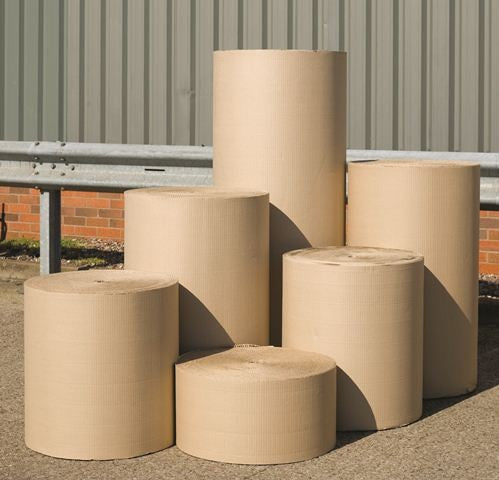
Protective / Corrugated Paper
-
350x75 - Corry PaperRegular price From £24.54 GBPRegular priceUnit price per
-
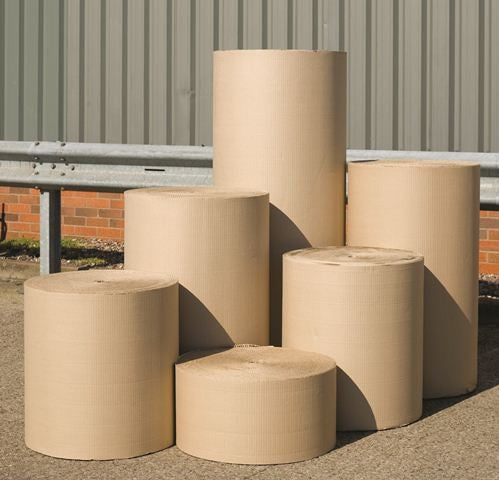 Sold out250x75 - Corry PaperRegular price From £4.97 GBPRegular priceUnit price per
 -
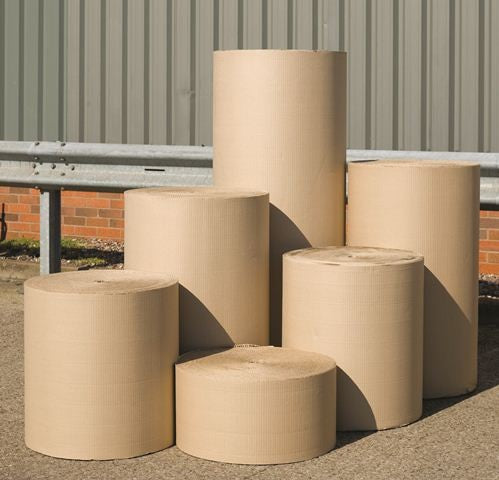 Sold out175x75 - Corry PaperRegular price From £2.49 GBPRegular priceUnit price per
 -
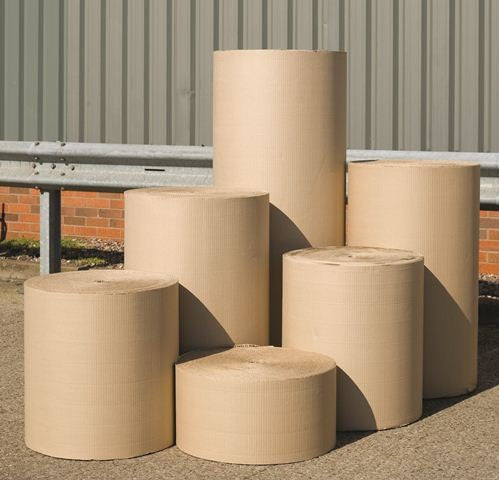 Sold out150x75 - Corry PaperRegular price From £2.49 GBPRegular priceUnit price per
 -
 Sold out125x75 - Corry PaperRegular price From £2.49 GBPRegular priceUnit price per
 -
1,500x75 - Corry PaperRegular price From £91.84 GBPRegular priceUnit price per
Protective / Corrugated Paper
| Product Code | Description |
| 08AC15 | 150x75 - Corry Paper |
| 08AC25 | 250x75 - Corry Paper |
| 08AC30 | 300x75 - Corry Paper |
| 08AC35 | 350x75 - Corry Paper |
| 08AC40 | 400x75 - Corry Paper |
| 08AC45 | 450x75 - Corry Paper |
| 08AC60 | 600x75 - Corry Paper |
| 08AC65 | 650x75 - Corry Paper |
| 08AC75 | 750x75 - Corry Paper |
| 08AC90 | 900x75 - Corry Paper |
| 08A100 | 1,000x75 - Corry Paper |
| 08A120 | 1,200x75 - Corry Paper |
| 08A150 | 1,500x75 - Corry Paper |
| 08A195 | 1,950x75 - Corry Paper |
Protective / Corrugated Paper (Single-Face) for Wrapping, Interleaving & Separation
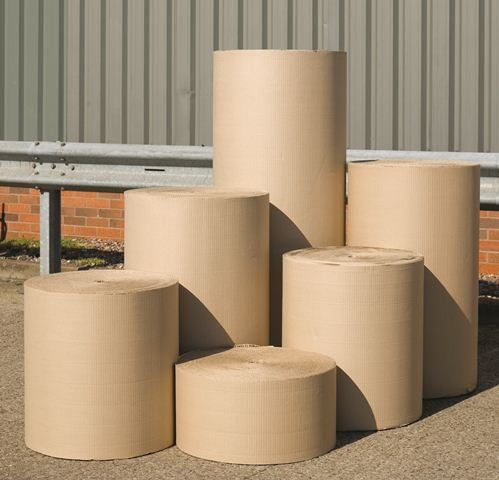
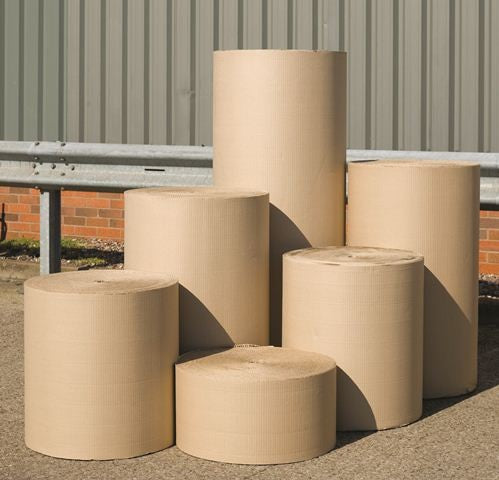
Protective / corrugated paper (often called single-face corrugated paper or corrugated wrap) is a flexible cushioning material made from a fluted corrugated medium bonded to a flat liner. Because it bends easily while still offering structure, it is widely used to wrap products, protect edges, and separate items in a carton, on a pallet, or in storage. On this page you’ll find multiple roll widths in a consistent 75mm format, making it easy to standardise packing methods across different product sizes.
This type of protective paper is especially useful when you need a lightweight wrap that helps reduce scuffs and abrasion, adds a small amount of impact cushioning, and creates a protective barrier between surfaces. It is commonly used for interleaving and separating items, and it can also be layered with other protective materials when higher shock protection is required.
Corrugated Paper — Helpful Guide
The products in this collection are corrugated paper rolls in different widths (all with a 75mm profile), suitable for wrapping, interleaving, and separating. The main difference between items is the roll width, which affects how quickly you can cover a surface and how well the wrap conforms to smaller shapes.
1) Narrow-width corrugated wrap (for small items, tight radii, and controlled wrapping)
- 125x75 - Corry Paper — A compact width that’s easy to handle for small components, narrow edges, and tight curves. Useful when you want precise coverage without excess material.
- 150x75 - Corry Paper — A versatile narrow roll for wrapping smaller items and protecting edges and corners. Often chosen for general-purpose interleaving and separation in cartons.
- 175x75 - Corry Paper — Slightly wider for faster coverage while still conforming well around smaller products. Suitable for bundling and surface separation where you want a bit more wrap per turn.
2) Mid-width corrugated wrap (for general wrapping, panels, and mixed-size packing)
- 250x75 - Corry Paper — A practical mid-width option for wrapping medium items and lining cartons. Helps reduce surface-to-surface contact when stacking or nesting products.
- 350x75 - Corry Paper — A broader roll for quicker coverage of larger faces and panels. Useful for wrapping items with flatter surfaces where speed and consistent coverage matter.
3) Wide-width corrugated wrap (for large surfaces, pallet layers, and high-throughput packing)
- 1,500x75 - Corry Paper — A wide roll designed for covering large areas efficiently. Often used as a protective layer between items, as a wrap for larger products, or as a separator layer in palletised loads.
Where Corrugated Paper Fits in a Protective Packaging System
Corrugated paper is best thought of as a surface-protection and light-cushioning layer. It can be used on its own for robust items that mainly need scuff protection, or combined with other materials for fragile goods. Typical roles include:
- Interleaving: placing a layer between items (or between stacked sheets) to reduce scratching and abrasion.
- Wrapping: spiralling around products to create a protective buffer and reduce contact damage.
- Separation: dividing mixed items in a carton so they don’t rub together in transit.
- Edge protection: adding a sacrificial layer around corners and edges that are prone to knocks.
- Carton lining: lining the inside of a box to reduce scuffing and help stabilise contents.
Case Study: Reducing Transit Scuffs on Mixed Items
A warehouse team shipping mixed, non-uniform items (some with painted or polished surfaces) noticed that most returns were not due to breakage, but to cosmetic scuffs caused by vibration and movement inside cartons. They introduced a simple packing standard:
- Wrap each item with a single-face corrugated layer to prevent direct surface contact.
- Add an extra band of corrugated paper around corners and protrusions.
- Use corrugated paper sheets/strips as separators between stacked items.
The result was fewer surface marks and more consistent packing outcomes, without significantly increasing pack time. The key improvement came from ensuring that no two finished surfaces touched during transit.
How to Choose the Correct Corrugated Paper
Step 1: Match roll width to the item’s geometry
- Small items, narrow edges, or tight curves: choose narrower widths such as 125x75 - Corry Paper or 150x75 - Corry Paper.
- General-purpose wrapping for mixed cartons: mid widths like 250x75 - Corry Paper are often easier to work with while still conforming well.
- Large panels or high-throughput packing: wider rolls such as 350x75 - Corry Paper or 1,500x75 - Corry Paper reduce the number of wraps needed to cover a surface.
Step 2: Decide whether you need surface protection, cushioning, or both
Corrugated paper provides light cushioning and strong abrasion protection. If your product is fragile to impact (e.g., easily cracked), consider pairing corrugated paper with a higher-cushion material and use corrugated paper as the outer wrap to reduce scuffing and improve handling.
Step 3: Consider stacking and load stability
For stacked items, corrugated paper can act as a separator layer that increases friction and reduces sliding. For palletised loads, wider formats can be used as a layer between products to reduce rubbing and distribute minor point loads.
Step 4: Plan for packing speed and consistency
Standardising on a small set of widths can reduce training time and packing variation. Narrow rolls are easier for detailed wrapping; wider rolls are faster for large surfaces. Many operations keep one narrow and one wide option available to cover most scenarios.
Best Practices for Using Corrugated Paper
- Wrap with the fluted side outward when you want more cushioning against external contact; wrap with the liner outward when you want a smoother outer surface for sliding into cartons.
- Overlap wraps consistently (for example, by one-third of the roll width) to avoid gaps on corners and edges.
- Secure the wrap appropriately so it doesn’t unwind in transit. The goal is to keep the protective layer in place without compressing it excessively.
- Use as an interleaf between finished surfaces to reduce abrasion from vibration during shipping.
- Combine with void fill when there is free space in the carton; corrugated paper protects surfaces, but void space still allows movement.
Common Applications
Single-face corrugated paper is commonly used across many industries and packing environments, including:
- Glass and sheet materials: interleaving to reduce scratching and surface damage.
- Furniture and joinery: wrapping edges, legs, and panels to reduce scuffs and minor knocks.
- Manufactured parts: separating components in totes or cartons to prevent rubbing.
- Warehousing and storage: layering between stacked items to protect finishes.
- General shipping: wrapping and lining cartons for mixed consignments.
Handling, Storage & Sustainability Notes
- Keep rolls dry: like most paper-based protective materials, performance is best when stored away from moisture.
- Avoid crushing: heavy compression can flatten flutes and reduce cushioning performance.
- Right-size the wrap: selecting an appropriate width reduces waste and improves packing speed.
Questions & Answers
What is corrugated paper used for in packaging?
Corrugated paper is used to wrap items, protect surfaces from scuffs, and separate products inside cartons or on pallets. It provides light cushioning from the fluted structure and helps prevent abrasion when items vibrate or shift during transport.
How do I choose the right roll width for my products?
Choose narrower widths for small items, tight curves, and edge protection, and wider rolls for large panels or faster coverage. If you pack mixed sizes, a mid-width roll can be a practical compromise for wrapping and carton lining.
Is corrugated paper enough protection for fragile items?
It depends on the risk. Corrugated paper is excellent for surface protection and light cushioning, but it may not be sufficient for high-impact drops. For fragile goods, use it as an outer wrap combined with stronger cushioning and void-fill methods.
Should the fluted side face in or out when wrapping?
Either can work. Flutes facing outward can add cushioning against external contact, while the liner outward can create a smoother outer surface for sliding into cartons. The best orientation depends on the product finish and how it will be handled.
Can corrugated paper help with stacking and preventing scratches?
Yes. As an interleaving layer, it reduces direct surface-to-surface contact and helps prevent scratches caused by vibration. It can also add friction between layers, reducing sliding in stacked loads when combined with correct carton sizing and stabilisation.