
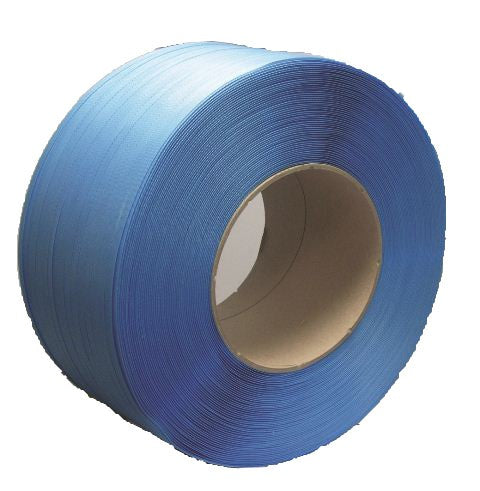
Strapping / Machine Core Strapping Banding
-
12mmx2040m - Black Dylastic StrappingRegular price From £44.63 GBPRegular priceUnit price per
-
9mmx4,000m x .55 - White Machine Core Strapping 85BSRegular price From £43.31 GBPRegular priceUnit price per
-
9mmx4,000m x .55 - Blue Machine Core Strapping 85BSRegular price From £72.08 GBPRegular priceUnit price per
-
7mmx4,500m - Machine Core Strapping 85BSRegular price From £51.19 GBPRegular priceUnit price per
-
5mmx6,500m - Blue Machine Core Strapping 50BSRegular price From £46.77 GBPRegular priceUnit price per
-
5mmx6,500m - White Machine Core StrappingRegular price From £41.47 GBPRegular priceUnit price per
-
12mmx3,000m - White Machine Core StrappingRegular price From £70.11 GBPRegular priceUnit price per


Strapping / Machine Core Strapping Banding
| Product Code | Description |
| 17M565 | 5mmx6,500m - White Machine Core Strapping |
| 17M745 | 7mmx4,500m - Machine Core Strapping |
| 17M940B | 9mmx4,000m - Blue Machine Core Strapping |
| 17M1230 | 12mmx3,000m - White Machine Core Strapping |
| 17M565B | 5mmx6,500m - Blue Machine Core Strapping |
Machine Core Strapping Banding (Polypropylene) — Overview
Machine core strapping (often polypropylene/PP) is designed to run smoothly through semi-automatic and fully automatic strapping machines. Compared with hand-grade strapping, machine-grade rolls are wound to consistent tension and dimensions so the strap feeds, tensions, seals, and cuts reliably at higher cycle rates. This collection includes narrow-width machine core strapping options commonly used for carton closing, bundling, and unitizing lighter loads where clean presentation and repeatable machine performance matter.
On this page you’ll find machine core strapping in multiple widths and long roll lengths, including 5mm x 6,500m (white and blue), 7mm x 4,500m, 9mm x 4,000m (blue and white, .55), and 12mm x 3,000m (white). These sizes are typically selected to match the strap track and tensioning capability of the strapping machine, as well as the package size and required holding force.
Machine Core Strapping Banding — Helpful Guide
1) Machine core polypropylene strapping (narrow widths)
Machine core PP strapping is a flexible plastic strap used with strapping machines that tension the strap around a carton or bundle and then seal it (commonly by heat-weld or friction-weld, depending on the machine). Narrow widths are frequently used for cartons, printed boxes, and bundled products where you want secure containment without excessive strap footprint.
-
5mmx6,500m - White Machine Core Strapping
Very narrow machine strap for small cartons and light bundles; long roll length supports extended run time between roll changes. -
5mmx6,500m - Blue Machine Core Strapping
Same width and length as the white option, with blue color for quick visual identification or internal coding. -
7mmx4,500m - Machine Core Strapping 85BS
A common step up in width for improved edge contact and stability on cartons; suited to higher tension settings than ultra-narrow strap. -
9mmx4,000m x .55 - Blue Machine Core Strapping 85BS
Wider strap with a specified thickness (.55) for consistent machine feeding and sealing; often chosen for heavier cartons or larger bundles. -
9mmx4,000m x .55 - White Machine Core Strapping 85BS
Same size and thickness as the blue 9mm option; white strap can be easier to see on darker cartons and helps with inspection. -
12mmx3,000m - White Machine Core Strapping
A broader machine strap option for larger cartons and unitizing; commonly used where strap edge pressure needs to be reduced by spreading load over more width.
2) Related strapping used in some operations
Some packing lines use more than one strapping type depending on the product and the station. While this collection focuses on machine core strapping, you may also see operations using alternative plastic strapping for specific applications such as bundling or where different elongation characteristics are preferred.
-
12mmx2040m - Black Dylastic Strapping
A plastic strapping option sometimes used for bundling and general containment; typically selected when the application calls for a different feel or performance profile than standard machine core PP.
Where Machine Core Strapping Is Commonly Used
- Carton closing: Securing shipping cartons for distribution, especially where tape alone may not be sufficient or where cartons are heavy or overfilled.
- Bundling: Grouping multiple items together (e.g., long products, printed materials, or boxed sets) for handling and staging.
- Unitizing light loads: Stabilizing lighter products on a small pallet or slip sheet when stretch wrap is not ideal or when a strap is needed for lifting/handling.
- Work-in-process containment: Keeping parts or sub-assemblies together between production steps.
Machine core strapping is typically chosen when you need repeatable tension and sealing at speed. For fragile products, it’s often paired with edge protectors or corner boards to reduce strap pressure on edges.
Case Study: Reducing Downtime on a Carton-Strapping Line
A packing team running a semi-automatic strapping machine was experiencing frequent stops due to roll changes and occasional feed issues. They standardized on a machine-grade roll with consistent winding and selected a roll length that better matched their shift output. By aligning strap width and thickness to the machine’s strap track and tension range, they reduced misfeeds and improved seal consistency. The result was fewer interruptions, more predictable throughput, and less rework from loose straps.
Key takeaways from this type of improvement project:
- Choose a strap width that tracks well in the machine and matches the package footprint.
- Confirm thickness and roll build are compatible with the machine’s feed and tension system.
- Use longer roll lengths where practical to reduce changeovers, but ensure the roll size fits the dispenser and enclosure.
How to Choose the Correct Machine Core Strapping
Step 1: Confirm machine compatibility (core and roll dimensions)
Strapping machines are designed around specific core and roll dimensions. Before selecting strap width or strength, confirm the machine’s required core size and maximum roll diameter/width. A strap that is otherwise “correct” can still cause feed problems if the core or roll build does not match the machine’s dispenser and brake system.
Step 2: Select strap width based on package size and stability
- 5mm: Often used for small cartons and light bundles where minimal strap footprint is preferred.
- 7mm: A versatile middle option for many carton sizes; can improve tracking and stability compared with very narrow strap.
- 9mm: Common for larger cartons or where higher tension is needed; helps resist shifting during handling.
- 12mm: Useful for larger cartons and unitizing where spreading force over a wider area reduces edge pressure.
Step 3: Consider thickness and performance targets
Thickness influences stiffness, feed behavior, and how the strap responds under tension. A consistent thickness (for example, .55 where specified) helps the machine form reliable seals and reduces variability in tensioning. If your application involves sharp edges, heavy compression, or long transit times, consider whether you need a wider strap, edge protection, or a different strapping material.
Step 4: Match strap strength to the load (avoid over-tensioning)
Strap strength ratings (such as “85BS” where noted) are typically used as a reference point for holding capability. In practice, the correct setting is the lowest tension that keeps the load stable without crushing cartons or deforming product. Over-tensioning can damage packaging, cause strap breakage, or lead to seal failures.
Step 5: Choose color for identification and inspection
Color does not inherently change performance, but it can help with internal process control. For example, different colors may be used to distinguish product lines, shifts, or strap widths at a glance. White can be easier to inspect on darker cartons; blue can stand out on lighter packaging.
Operating Tips for Better Machine Strapping Results
- Keep strap path clean: Dust and debris in the strap track can increase friction and cause inconsistent tension.
- Check brake and tension settings: Too much brake can cause feed issues; too little can cause loose straps or poor strap placement.
- Inspect seals regularly: A good seal is consistent in appearance and resists peeling. If seals vary, review heater/friction components and strap thickness consistency.
- Store rolls correctly: Keep strapping dry and away from heat sources and direct sunlight to reduce brittleness and deformation.
- Use edge protection when needed: For sharp corners or fragile cartons, corner/edge protectors help distribute strap pressure and reduce damage.
Troubleshooting Common Issues
Strap misfeeds or jams
- Verify the strap width and thickness match the machine’s specification.
- Confirm the core size and roll build fit the dispenser and guides.
- Check for worn feed wheels, dirty tracks, or incorrect brake tension.
Loose straps after sealing
- Increase tension slightly and re-test, but avoid crushing cartons.
- Inspect the sealing mechanism (heater, friction weld parts) for wear or contamination.
- Confirm strap is not slipping due to low friction at feed wheels.
Seal failures or strap breaks
- Reduce tension if the strap is being overstressed.
- Ensure the machine’s seal time/temperature (or friction cycle) is appropriate for the strap thickness.
- Check that strap is not brittle from poor storage conditions.
Frequently Asked Questions
What does “machine core” mean for strapping?
“Machine core” indicates the strapping is wound on a core size and roll build intended for strapping machines. Machine-grade rolls are typically wound more consistently than hand-grade rolls, helping the strap feed smoothly, tension predictably, and seal reliably during repeated cycles.
How do I choose between 5mm, 7mm, 9mm, and 12mm machine strapping?
Start with your machine’s allowable strap width range, then match width to the package. Narrow widths suit small cartons and light bundles, while wider straps improve stability and reduce edge pressure on larger cartons. Use the lowest width that tracks well and holds securely.
What does “85BS” refer to on some machine core strapping?
“BS” commonly refers to break strength, a rating used to compare strap holding capability. It’s a reference value rather than a recommended tension setting. In use, set machine tension to the minimum that stabilizes the load without crushing cartons or causing seal problems.
Why does strap thickness matter (for example, “.55”)?
Thickness affects stiffness, feeding behavior, and sealing consistency. A strap that is too thick or too thin for a machine can cause jams, poor welds, or inconsistent tension. Using a consistent thickness helps the machine form repeatable seals and reduces variability across runs.
What are common causes of poor seals on polypropylene machine strapping?
Poor seals are often caused by incorrect heat/friction settings, worn sealing components, contamination on the strap path, or strap dimensions outside the machine’s specification. Check seal appearance and peel resistance, then adjust cycle settings and inspect wear parts and strap compatibility.