
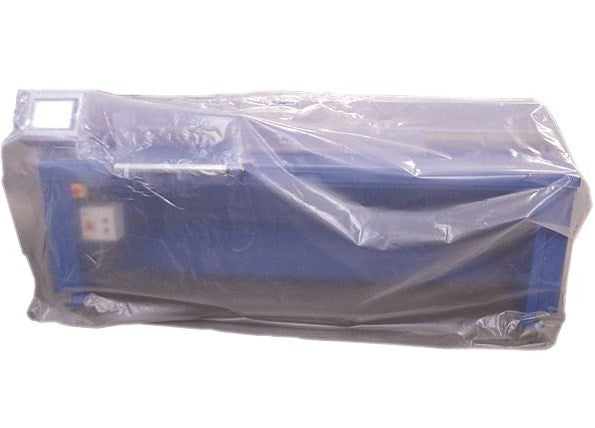
Polythene / Sheet Polythene
-
420mm - 300g Single Wound Sheet Polythene 25KgRegular price From £3.19 GBPRegular priceUnit price per
-
1/4m x 50m - 250g Multi Fold Sheet PolytheneRegular price From £62.99 GBPRegular priceUnit price per
-
900/1800x1800mm - 120g Black R/G Sheet PolytheneRegular price From £0.20 GBPRegular priceUnit price per
-
1/4M x 25M x 1000g Multi Fold Shrink PolytheneRegular price From £76.39 GBPRegular priceUnit price per
-
1/4m x 50m - 500g Multi-Fold Sheet PolytheneRegular price From £115.94 GBPRegular priceUnit price per
-
2/4m x 25m - 480g Sheet PolytheneRegular price From £43.18 GBPRegular priceUnit price per
-
1/2m - 400g Sheet Polythene 55Kg - 30% RecycledRegular price From £151.01 GBPRegular priceUnit price per
-
 Sold out1/2m - 350g Sheet Polythene - 35KGRegular price From £151.01 GBPRegular priceUnit price per
 -
1/2m - 250g x 100M Sheet Polythene - 30% RecycledRegular price From £43.09 GBPRegular priceUnit price per
-
 Sold out1/2m - 150g Sheet Polythene 22KGRegular price From £74.17 GBPRegular priceUnit price per
 -
 Sold out1.2/2.4m - 150g Sheet Polythene 26KgRegular price From £86.06 GBPRegular priceUnit price per
 -
1/2x100m - 500g Sheet Polythene 24KgRegular price From £57.62 GBPRegular priceUnit price per
-
 Sold out1/3.8M x 15M x 180g Multi Fold SheetRegular price From £17.10 GBPRegular priceUnit price per
 -
1/4m x 25m - 180g Multi Fold Sheet PolytheneRegular price From £17.10 GBPRegular priceUnit price per
-
1/3.6M x 20M x 1000g Multi Fold Shrink PolytheneRegular price From £42.42 GBPRegular priceUnit price per


Polythene / Sheet Polythene
| Order Code | Description | Approx roll weight (kg) | Length (m) | Thickness (micron) |
| 05C2F | Centrefolded 1000/2000mm | 55 | 250 | 125 |
| 05SW6 | Single Wound | 6 | 153 | 62.5 |
| 05SW17 | Single Wound | 25 | 420 | 75 |
Polythene / Sheet Polythene (Sheeting on the Roll)
Polythene sheeting (often called sheet polythene) is a flexible plastic film supplied on a roll for covering, lining, separating, and protecting goods. In packaging and warehouse environments it is commonly used as a protective layer over products, as a dust and moisture barrier, and as a simple way to create a temporary wrap or cover when a bag or shrink solution is not required.
This category focuses on sheeting supplied as:
- Centrefolded polythene sheeting (folded in half on the roll so it opens out to double the folded width).
- Single wound polythene sheeting (flat film wound as a single layer on the roll).
Because sheeting is specified by width, length, and thickness, it is easy to match to your application once you understand how these measurements work. The table on this page lists the key roll specifications (including approximate roll weight, roll length, and thickness in microns) for the sheeting options available.
Polythene / Sheet Polythene — Helpful Guide
Use this guide to understand the main formats in this collection and how to select the right roll for your process. The products below are linked exactly as they appear on this collection page.
1) Single wound sheet polythene (flat film on a roll)
Single wound sheeting is supplied as a single layer of flat film. It is commonly used for interleaving, surface protection, and creating quick covers where you want to pull film directly from the roll and cut to length.
-
600mm - 43mic Single Wound Sheet Polythene 25Kg
Flat single wound film at 600mm width and 43 micron thickness, supplied as a heavier roll format suited to higher-throughput use where longer runs and fewer roll changes are helpful. -
6” - 250g Single Wound Sheet Polythene 6Kg
A compact single wound roll format often chosen for smaller items, bench use, or where a narrow width is preferred for quick protective wrapping and separation. -
300mm - 43mic Single Wound Sheet Polythene 25Kg
Flat single wound film at 300mm width and 43 micron thickness, useful for narrower products, component protection, and general-purpose covering where a slimmer roll is easier to handle.
2) Centrefolded polythene sheeting (folded film that opens out)
Centrefolded sheeting is folded along its length on the roll. When you pull it off and open it out, the film becomes twice the folded width. This format is widely used for top sheets, pallet covers, and broad protective layers because it provides a large coverage width while keeping the roll manageable.
-
Centrefolded 1000/2000mm
Centrefolded film that is 1000mm wide on the roll and opens to 2000mm when unfolded. The table on this page lists the roll length and thickness (micron) for the centrefolded option in this collection.
Understanding key specifications (width, length, thickness, and roll weight)
Width: single wound vs centrefolded
- Single wound width is the usable flat width of the film as it comes off the roll.
- Centrefolded width is typically shown as two numbers (for example, 1000/2000mm). The first is the folded width on the roll; the second is the open width once unfolded.
If you need to cover a wide surface (for example, the top of a pallet), centrefolded film can be a practical way to achieve a large open width without using an extremely wide single wound roll.
Length (m)
Roll length indicates how much film you have available before the roll is finished. Longer rolls can reduce changeovers, while shorter rolls can be easier to lift and store. The table on this page lists the length in metres for each roll option.
Thickness (micron)
Micron (µm) is a measure of film thickness. In general, thicker film provides greater puncture resistance and durability, while thinner film is lighter and easier to conform around shapes. The table on this page lists thickness in microns for each roll.
- Lower micron: typically chosen for light-duty protection, dust covers, and short-term wrapping.
- Mid-range micron: often used for general warehouse protection and interleaving.
- Higher micron: commonly selected for heavier-duty covering, sharper edges, or where the film may be dragged or handled more aggressively.
Approximate roll weight (kg)
Roll weight affects handling, storage, and how the roll is dispensed. Heavier rolls can be more economical for high usage but may require mechanical assistance or a suitable dispenser. Lighter rolls are easier for manual handling and bench use. The table on this page provides approximate roll weights for guidance.
Typical uses for sheet polythene in packaging and warehousing
- Surface protection: protect finished goods from scuffs, dust, and light moisture during storage or transit.
- Interleaving: place film between stacked items to reduce abrasion and marking.
- Pallet top sheets and covers: add a protective layer over palletised goods before stretch wrapping or strapping.
- Temporary wrapping: create quick protective wraps for irregular shapes where a bag is not the best fit.
- Work-in-progress protection: cover parts or assemblies between process steps to keep them clean.
For best results, match the film thickness to the risk of puncture and the handling conditions, and match the width to the coverage area so you minimise waste and trimming.
Case study: reducing damage on palletised goods with a top-sheet approach
A warehouse shipping mixed cartons on pallets noticed occasional dust ingress and light water spotting during loading and short outdoor exposure. The team introduced a simple process change: applying a sheet of polythene over the top layer of cartons before stretch wrapping.
By selecting a sheeting format that provided sufficient open width to cover the pallet footprint and a thickness that resisted tearing during application, they reduced rework caused by surface contamination. The change also improved consistency because operators could cut a repeatable length from the roll and apply it in the same way each time.
This type of approach is especially useful when you want an additional barrier without changing the primary packaging of each individual carton.
How to choose the correct polythene sheeting
Step 1: Define the job (covering, interleaving, or wrapping)
Start by identifying whether you need broad coverage (often better suited to centrefolded film) or a narrower strip for wrapping or separation (often better suited to single wound film). Consider whether the film will be opened out, folded around edges, or simply laid flat.
Step 2: Choose the width that minimises waste
Measure the surface you need to cover and allow a small margin for overhang if required. If you are covering a pallet top, ensure the open width is sufficient to reach the edges. If you are wrapping items, choose a width that can be pulled tight without excessive trimming.
Step 3: Select thickness based on puncture risk
Assess the likelihood of punctures from corners, staples, strapping, or rough surfaces. If the film will be dragged across a surface or handled quickly, a thicker option can help reduce tearing. If the film is used as a light dust cover, a thinner option may be adequate.
Step 4: Consider roll handling and dispensing
Check whether the roll will be used on a bench, on a dispenser, or carried to the point of use. Heavier rolls can be efficient for high consumption but may require safe lifting practices. Ensure the roll width and weight suit your available equipment and storage.
Step 5: Confirm compatibility with your process
Think about how the film will be cut (hand cutting, safety cutter, or a mounted dispenser) and whether operators need to open out centrefolded film. A short trial can confirm that the chosen format is quick to apply and provides the protection you expect.
Handling, storage, and safety notes
- Cutting: use appropriate cutters and keep blades controlled to reduce the risk of injury and product damage.
- Storage: store rolls clean and dry to avoid contamination transferring to protected goods.
- Static: thin films can generate static; if static is a concern, consider process controls such as grounding, humidity management, or anti-static handling practices.
- Waste management: keep offcuts segregated where possible to support recycling streams appropriate to your site.
Frequently asked questions (Q&A)
What is the difference between single wound and centrefolded polythene sheeting?
Single wound sheeting is a single flat layer of film on the roll, used as-is. Centrefolded sheeting is folded in half along its length; when opened out it provides double the folded width, which is useful for wider coverage.
How do I interpret sizes like 1000/2000mm on centrefolded sheeting?
The first number is the folded width on the roll (for example 1000mm). When you unfold the film, it opens to the second number (for example 2000mm). This helps you achieve a wide sheet while keeping the roll manageable.
What micron thickness should I choose for protective covering?
Choose thickness based on puncture and tear risk. Lower micron films suit light dust covers and short-term protection. Mid-range thickness works for general warehouse use. Higher micron films are better for sharper edges, heavier handling, or repeated movement.
Does roll weight matter when selecting sheet polythene?
Yes. Heavier rolls can reduce changeovers and suit high usage, but they may need a dispenser or safe lifting support. Lighter rolls are easier to carry and use at a bench. Use the approximate roll weights as a handling guide.
Can sheet polythene be used as a pallet top sheet under stretch wrap?
Yes. A cut sheet placed over the top layer of goods can help reduce dust and light moisture exposure before stretch wrapping. Select a width that covers the pallet footprint and a thickness that resists tearing during application.