

Postal / Postal Bags & Pouches / Bubble Pouches SelfSeal
-
380x435 - Self Seal Bubble Pouches BB7Regular price From £18.27 GBPRegular priceUnit price per
-
740x600 - Small Bubble PouchesRegular price From £23.72 GBPRegular priceUnit price per
-
280x360 - Anti-Static Self Seal Bubble Pouches BB5ASRegular price From £23.86 GBPRegular priceUnit price per
-
230x285 - Anti-Static Self Seal Bubble Pouches BB4ASRegular price From £31.69 GBPRegular priceUnit price per
-
400x620 - Small Bubble PouchesRegular price From £6.20 GBPRegular priceUnit price per
-
180x235 - Self Seal Bubble Pouches BB3Regular price From £20.50 GBPRegular priceUnit price per
-
305x365 - Small Bubble PouchesRegular price From £53.35 GBPRegular priceUnit price per
-
130x185 - Anti-Static Self Seal Bubble Pouches BB2ASRegular price From £24.19 GBPRegular priceUnit price per
-
130x185 - Self Seal Bubble Pouches BB2Regular price From £21.86 GBPRegular priceUnit price per
-
245x180 White Gloss Bubble EnvelopesRegular price From £33.84 GBPRegular priceUnit price per
-
245x180 Silver Bubble EnvelopesRegular price From £37.59 GBPRegular priceUnit price per
-
245x180 Black Gloss Bubble EnvelopesRegular price From £44.82 GBPRegular priceUnit price per
-
100x135 - Anti-Static Self Seal Bubble Pouches BB1ASRegular price From £25.36 GBPRegular priceUnit price per
-
165x140 Black Gloss Bubble EnvelopesRegular price From £42.62 GBPRegular priceUnit price per
-
150x230 - BUBBLE POUCHES S/S - PER 1000Regular price From £154.19 GBPRegular priceUnit price per
-
1200x1200mm - Small Bubble PouchesRegular price From £2.49 GBPRegular priceUnit price per
-
250x300 - Self Seal Bubble PouchesRegular price From £20.78 GBPRegular priceUnit price per







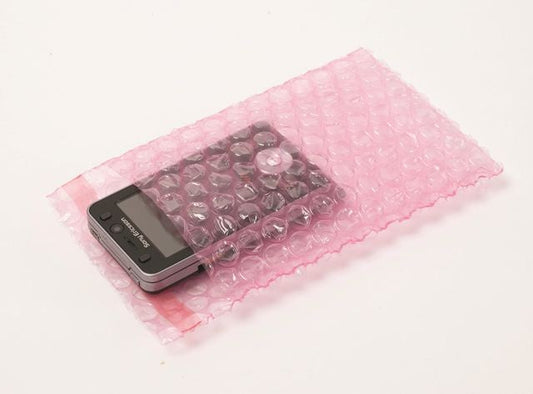

Postal / Postal Bags & Pouches / Bubble Pouches SelfSeal
Self-seal bubble pouches and bubble envelopes are designed to protect items from knocks, vibration, and surface scuffs during handling and transit. This collection focuses on quick-pack protective mailers and pouches that combine a lightweight outer film with internal bubble cushioning, plus anti-static options for electronics that can be affected by electrostatic discharge (ESD).
Bubble Pouches & Bubble Envelopes — Helpful Guide
Bubble packaging in this category generally falls into three practical groups: standard self-seal bubble pouches for everyday protection, anti-static self-seal bubble pouches for ESD-sensitive items, and bubble envelopes (also called bubble mailers) for posting flat or low-profile goods. Bubble pouches are commonly used as an inner protective layer inside a carton, or as a standalone protective pouch when the item is not sharp or heavy. Bubble envelopes are typically used as the outer postal pack for lightweight items.
1) Standard self-seal bubble pouches (general protection)
Standard self-seal bubble pouches are a fast way to add cushioning around products such as accessories, small parts, cosmetics, printed materials that need scuff protection, and general merchandise. The self-seal closure helps speed up packing and reduces the need for additional tape for the inner pack. A key sizing principle is to choose the smallest pouch that allows the product to slide in without forcing it; oversized packs can allow movement, which increases the chance of impact damage.
-
130x185 - Self Seal Bubble Pouches BB2
Compact pouch size for small items such as cables, small components, jewellery boxes, or bundled small parts where you want cushioning without excess bulk. -
180x235 - Self Seal Bubble Pouches BB3
A versatile mid-size pouch for items like chargers, small devices, boxed accessories, or multiple small items packed together. -
380x435 - Self Seal Bubble Pouches BB7
Larger pouch format for bulkier items, multi-part kits, or boxed products where you need more internal volume while keeping a cushioned wrap. -
305x365 - Small Bubble Pouches
Useful when you need a little more width/height than mid-size pouches for larger accessories, bundles, or flat items that still benefit from cushioning. -
400x620 - Small Bubble Pouches
Extra capacity for larger, lightweight items or multiple items packed together; often used as an inner protective pack inside a carton to reduce scuffing and minor impact. -
740x600 - Small Bubble Pouches
Oversize pouch option for very large, lightweight products or multi-item sets where you want a single cushioned pouch rather than multiple smaller packs.
2) Anti-static self-seal bubble pouches (ESD-aware protection)
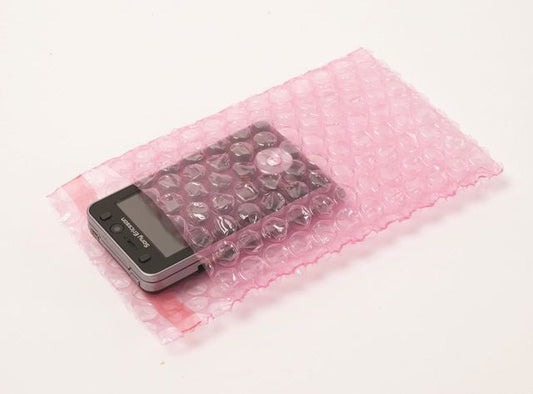
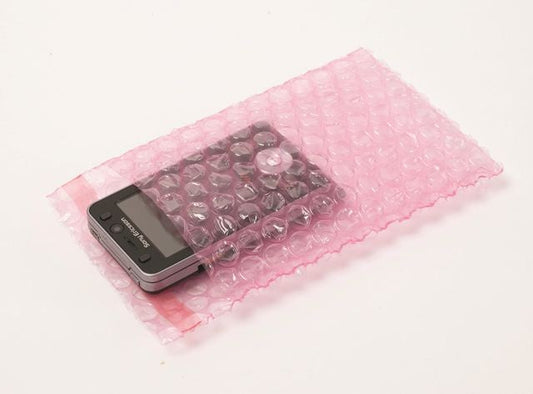
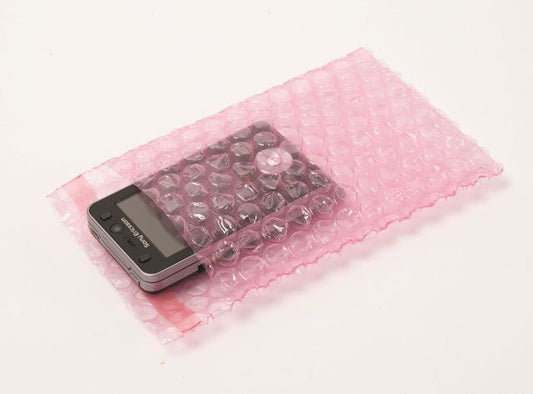
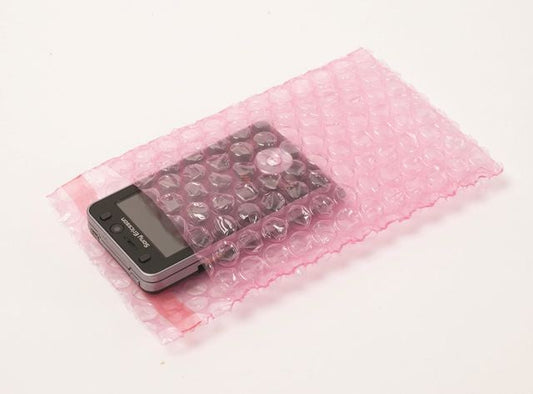
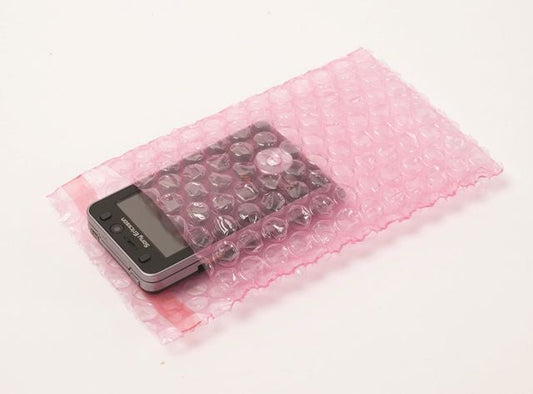
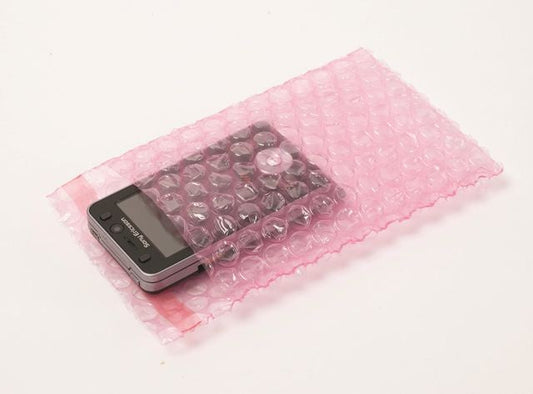
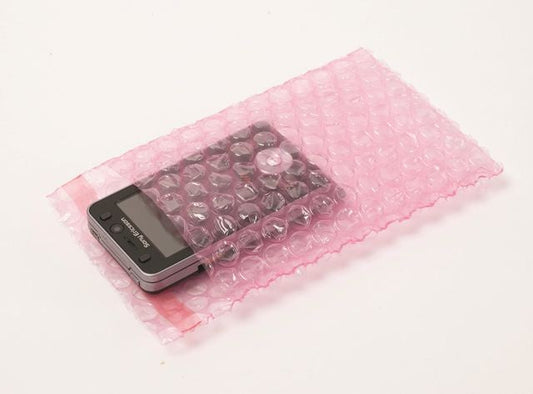
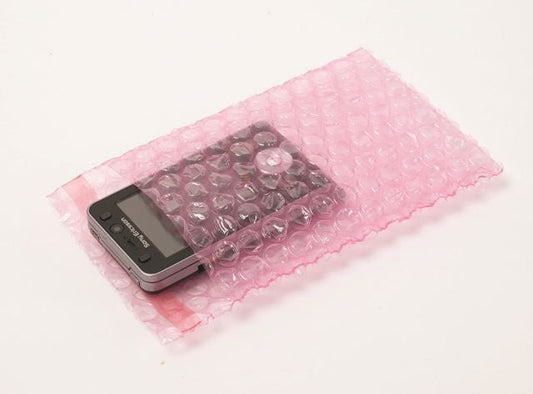
Anti-static bubble pouches are intended for items that can be affected by static electricity, such as circuit boards, memory modules, sensors, and other electronic assemblies. Anti-static materials are commonly used to reduce static build-up on the packaging surface and help lower the risk of ESD events during handling. If you are shipping electronics, consider whether the item is ESD-sensitive and whether additional ESD controls (such as shielding bags, grounding, or conductive packaging) are required for your process.
-
130x185 - Anti-Static Self Seal Bubble Pouches BB2AS
Small anti-static pouch for compact electronic parts and components where both cushioning and reduced static build-up are important. -
230x285 - Anti-Static Self Seal Bubble Pouches BB4AS
Mid-size anti-static option for larger components, small assemblies, or multiple parts packed together with cushioning. -
280x360 - Anti-Static Self Seal Bubble Pouches BB5AS
Roomier anti-static pouch for larger electronic items, boxed components, or bundled assemblies that need both impact protection and ESD-aware handling.
3) Bubble envelopes (bubble mailers) for postal dispatch
Bubble envelopes combine an outer envelope format with internal bubble cushioning, making them suitable as a postal outer pack for lightweight, low-profile items. They are commonly used for items that are not easily crushed and do not have sharp corners. For bend-sensitive items (for example, thin printed materials or flat components), consider adding a stiffener board inside the envelope to reduce flexing during transit.
-
245x180 White Gloss Bubble Envelopes
Envelope-style mailer for posting small, flat items where you want a neat outer presentation and built-in cushioning. -
245x180 Silver Bubble Envelopes
Same general format and size for postal packing; useful when you want a durable outer envelope with internal bubble protection.
Case study: reducing in-transit damage for small parts and electronics
A common cause of damage in parcel networks is internal movement: items shift inside the pack, then repeatedly strike the outer walls during handling. A simple improvement is to right-size the protective pouch so the product fits closely, then place the pouched item into an outer carton or mailer that also limits movement. For ESD-sensitive electronics, switching from standard bubble pouches to anti-static bubble pouches can also reduce handling risk where static build-up is a concern. In practice, the best results come from combining (1) correct pouch size, (2) appropriate material choice (standard vs anti-static), and (3) an outer pack that prevents the item from rattling.
How to choose the correct bubble pouch or bubble envelope
Step 1: Decide whether you need anti-static packaging
If the item contains exposed electronics or components known to be ESD-sensitive, start with an anti-static pouch. If the item is general merchandise (non-electronic) and the main risk is knocks or scuffs, a standard bubble pouch is usually appropriate. When in doubt for electronics, treat the item as ESD-sensitive and align packaging with your internal ESD controls.
Step 2: Choose pouch vs envelope based on how you ship
- Choose a bubble envelope when the envelope itself will be the outer postal pack and the item is lightweight and low-profile.
- Choose a bubble pouch when you want an inner protective layer (often placed inside a carton or satchel), or when you need a self-seal protective wrap around the product.
Step 3: Size for fit (reduce movement)
Measure your product’s maximum length, width, and thickness (including any retail box). Select a pouch/envelope that allows easy insertion and sealing without stretching the film or compressing the bubble layer. A snug fit helps reduce movement, which can reduce impact damage. If you must use a larger size, add void fill or secondary wrapping so the item cannot slide around.
Step 4: Consider corners, weight, and crush risk
Bubble mailers and pouches provide cushioning, but they are not rigid. If the item is heavy, has sharp corners, or can be crushed, a carton may be a better outer pack. In those cases, a bubble pouch can still be useful as an inner protective sleeve to prevent scuffing and absorb minor shocks.
Packing tips for better results
- Keep the seal clean: Ensure the sealing area is free of dust and oils so the self-seal closure bonds consistently.
- Protect sharp edges: If an item has corners or edges, add a small layer of additional protection (such as a corner protector or extra wrap) to prevent punctures.
- Add a stiffener for flat items: For items that can bend, place a rigid board inside the bubble envelope to reduce flexing.
- Use an outer pack when needed: For higher-value or fragile items, place the pouched item into a correctly sized carton and fill any remaining void space.
- Label and handle appropriately: If your process uses handling labels (fragile, ESD awareness), apply them consistently so the pack is treated correctly through your workflow.
Common mistakes to avoid
- Oversizing: Too much empty space allows movement and repeated impacts.
- Using standard bubble for ESD-sensitive items: If static is a risk, use anti-static packaging and follow your ESD procedures.
- Relying on a mailer for crush protection: Bubble envelopes cushion but do not prevent crushing; use a carton for crush-prone items.
- Forcing items into tight packs: Compressing the bubble layer reduces cushioning performance and can stress seals.
Frequently asked questions
What is the difference between a bubble pouch and a bubble envelope?
A bubble pouch is typically a plastic pouch with internal bubble cushioning, often used as an inner protective sleeve or standalone pouch. A bubble envelope is an envelope-style mailer designed to be the outer postal pack for lightweight, low-profile items.
When should I use anti-static bubble pouches instead of standard bubble pouches?
Use anti-static bubble pouches when packing items that may be affected by electrostatic discharge, such as circuit boards, memory modules, sensors, or electronic assemblies. They help reduce static build-up on the packaging surface during handling and transit.
How do I choose the right size bubble pouch for my product?
Measure the product’s maximum length, width, and thickness (including any retail box). Choose a pouch that allows easy insertion and sealing without stretching the film or compressing the bubbles. A snug fit reduces movement, which can reduce impact damage.
Can I ship fragile items in a bubble envelope?
Bubble envelopes provide cushioning but limited crush resistance. For fragile, heavy, or sharp-edged items, a carton is usually safer. If you use a bubble envelope for semi-fragile items, reduce movement and consider adding a stiffener or extra internal protection.
Do self-seal bubble pouches need tape?
Self-seal bubble pouches are designed to close without additional tape for the inner pack, which can speed up packing. However, if the pouch is used as an outer pack or the contents are heavy, adding tape or using an outer carton may improve security.