
Bags / Sacks / 2 Ply Paper Sacks
-
13x17x28 - 70gsm 2-Ply Paper SacksRegular price From £65.20 GBPRegular priceUnit price per
-
180x100x350 - HOR114243 2-Ply Plain Kraft S.O.S Sacks without HandlesRegular price From £6.45 GBPRegular priceUnit price per
-
195x114x470 - 2-Ply Plain S.O.S Paper Sacks without HandlesRegular price From £13.97 GBPRegular priceUnit price per
-
16x25x38 - 2 Ply Paper SacksRegular price From £54.80 GBPRegular priceUnit price per
-
535x890 - 70gsm 2-Ply Paper SacksRegular price From £0.70 GBPRegular priceUnit price per
-
21x29x38 - 70gsm 2-Ply Paper SacksRegular price From £65.00 GBPRegular priceUnit price per
-
16x28.5x39 - 70gsm 2-Ply Paper SacksRegular price From £24.19 GBPRegular priceUnit price per
-
16x25x33 - 70gsm 2-Ply Paper SacksRegular price From £54.00 GBPRegular priceUnit price per
-
16x19.5x21 - 70gsm 2-Ply Paper SacksRegular price From £34.10 GBPRegular priceUnit price per
-
9x12x18 - 70gsm 2-Ply Paper SacksRegular price £40.00 GBPRegular priceUnit price per


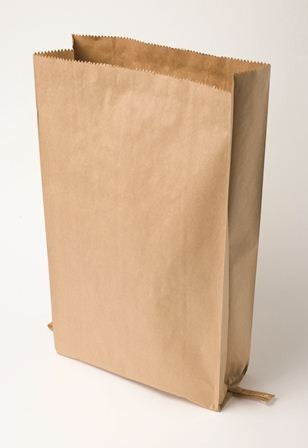
Gusseted paper sacks suited for mailing large bulky products.
- Heavy duty, twin-ply kraft paper sack with side gusset
- Strong stitched bottom seal
Bags / Sacks / 2 Ply Paper Sacks
| Order Code | Description | Dimensions (Inches) | Pack Quantity |
| 09P12 | Paper Sacks 2-ply | 9 x 12 x 18 - 70gsm | 100 |
| 09P19 | Paper Sacks 2-ply | 16 x 19.5 x 21 - 70gsm | 50 |
| 09P25 | Paper Sacks 2-ply | 16 x 25 x 33 - 70gsm | 50 |
| 09P28 | Paper Sacks 2-ply | 16 x 28.5 x 39 - 70gsm | 50 |
| 09P29 | Paper Sacks 2-ply | 21 x 29 x 38 - 70gsm | 50 |
Gusseted 2-Ply Paper Sacks for Bulky Packing & Mailing
2-ply paper sacks are a practical choice when you need a tough, breathable outer pack for large, bulky items. This collection focuses on gusseted, twin-wall kraft paper sacks with a stitched bottom seal—features that help the sack hold its shape, resist tearing, and carry heavier or awkward loads during handling and transit. The side gussets expand to accommodate volume, while the stitched base supports weight and reduces the chance of seam failure when the sack is lifted, slid, or stacked.
These sacks are commonly used as an outer layer for consolidated shipments, warehouse picking, and dispatch where a rigid carton is not required. They are also useful for dry goods and non-fragile items that benefit from airflow (breathability) rather than moisture trapping. Always match the sack size and closure method to the product’s weight, edges, and handling conditions.
2-Ply Paper Sacks — Helpful Guide
What “2-ply”, “gusseted”, and “stitched bottom” mean
- 2-ply (twin-wall) kraft paper: Two layers of kraft paper increase puncture and tear resistance compared with single-wall paper. This is helpful for bulky items, products with corners, or heavier fills.
- Side gussets: Folded side panels expand to create a wider base and more internal volume. Gussets also help the sack stand more squarely when filled and improve stackability.
- Stitched bottom seal: A sewn base is designed for durability under load and repeated handling. It is often chosen where a simple glued seam may be stressed by weight, vibration, or dragging.
- 70 gsm paper weight (where specified): GSM indicates paper basis weight. Higher GSM generally correlates with thicker, stronger paper, though overall performance also depends on ply construction and how the sack is handled.
Types of sacks in this category
This collection contains gusseted 2-ply kraft paper sacks in multiple sizes. The products below are listed on this page by order code and dimensions.
-
Small-format 2-ply paper sacks (for compact bulky items and smaller consolidated packs)
-
09P12 — Paper Sacks 2-ply (9 x 12 x 18 - 70gsm)
Useful when you need a shorter sack with gussets for items that are bulky but not long. A good option for warehouse picking, parts, and bundled goods where a carton is unnecessary.
-
09P12 — Paper Sacks 2-ply (9 x 12 x 18 - 70gsm)
-
Medium-format 2-ply paper sacks (for larger volume and taller fills)
-
09P19 — Paper Sacks 2-ply (16 x 19.5 x 21 - 70gsm)
Designed for higher capacity than small sacks. The gussets help accommodate irregular shapes and improve stability when filled.
-
09P19 — Paper Sacks 2-ply (16 x 19.5 x 21 - 70gsm)
-
Large-format 2-ply paper sacks (for very bulky items and high-volume packing)
-
09P25 — Paper Sacks 2-ply (16 x 25 x 33 - 70gsm)
Suitable for tall, bulky contents where extra height is needed. Consider this size when you want more fill depth without moving to a wider footprint. -
09P28 — Paper Sacks 2-ply (16 x 28.5 x 39 - 70gsm)
A higher-capacity option for large, lightweight-but-bulky items. The stitched bottom helps support heavier fills and frequent handling. -
09P29 — Paper Sacks 2-ply (21 x 29 x 38 - 70gsm)
Wider format for bulky loads that need more base area. A wider sack can reduce overstuffing and improve stability during stacking.
-
09P25 — Paper Sacks 2-ply (16 x 25 x 33 - 70gsm)
Note on internal links: Product links above point to this collection page because the product detail links are not exposed in the visible description table. If you have individual product URLs available, replacing these links with direct product pages will improve usability and internal linking.
Case Study: Reducing Damage When Mailing Bulky Items
A warehouse team shipping mixed bulky items (soft goods, bundled components, and non-fragile accessories) experienced frequent outer-pack failures when using thin single-wall paper bags. The failures typically occurred at the base seam during conveyor transfers and when sacks were dragged short distances on warehouse floors.
By switching to gusseted 2-ply sacks with a stitched bottom, the team improved handling durability and reduced seam-related splits. The gussets also made it easier to pack irregular shapes without forcing the opening, which helped prevent tearing at the top edge. The team further reduced issues by standardizing fill limits, adding a simple internal wrap for sharp corners, and selecting a sack size that avoided overstuffing.
How to Choose the Correct 2-Ply Paper Sack
1) Measure correctly (width x gusset x length)
Sack dimensions are typically listed as width x gusset x length. The gusset measurement represents the expandable side panel depth. When choosing a size, consider both the product’s widest point and how it will settle once inside the sack. If the contents are irregular, allow extra room so the sack can close without strain.
2) Match the sack to the handling method
- Manual handling: Choose a size that can be lifted comfortably and closed securely. Overfilled sacks are more likely to tear at the opening.
- Conveyor or courier networks: Prioritize stronger construction and avoid sharp edges contacting the paper. Consider adding internal protection for corners.
- Stacking and palletizing: Wider bases can improve stability. Gussets help the sack form a more rectangular footprint when filled.
3) Consider the product’s surface and edges
Paper sacks perform best with smooth or softly packed contents. If your items have sharp corners, protrusions, or abrasive surfaces, use an internal liner, wrap, or corner protection to reduce puncture risk. Two plies improve resistance, but they do not make paper puncture-proof.
4) Think about airflow vs. moisture protection
Paper is breathable, which can be beneficial for certain dry goods and for reducing condensation compared with fully sealed plastic. However, paper is not inherently moisture-proof. If the shipment may be exposed to rain or high humidity, consider secondary protection (overwrap, pallet stretch film, or an outer weather-resistant layer) depending on your process.
5) Plan your closure method
Common closure approaches include folding and taping, stapling (where appropriate), or using ties. The best method depends on the contents, required tamper evidence, and how the sack will be handled. Avoid closures that create sharp metal points if sacks will be stacked closely or handled frequently.
Best Practices for Packing with Gusseted Paper Sacks
- Avoid overfilling: Leave enough headspace to fold the top neatly. Overfilling increases stress at the opening and can cause tearing.
- Distribute weight evenly: Center heavier items and avoid concentrating weight on one corner of the base.
- Protect corners and edges: Add a simple internal wrap or corner guards for items with sharp edges to reduce punctures.
- Keep the base supported: When moving filled sacks, lift from underneath rather than pulling from the top edge.
- Label on a flat area: Apply labels to a smooth panel to reduce peeling and improve scan reliability.
Common Applications
Gusseted 2-ply paper sacks are often selected for:
- Mailing and dispatch of large, bulky non-fragile items
- Warehouse picking and consolidation of multiple items into one outer pack
- Packaging of dry goods where breathability is beneficial
- Industrial and trade environments where sacks may be dragged, stacked, or handled repeatedly
Frequently Asked Questions
What does “2-ply” mean in a paper sack, and why does it matter?
“2-ply” means the sack is made from two layers of kraft paper. The extra layer generally improves tear resistance and durability during handling. It can be helpful for heavier fills, bulky items, or products with corners that stress the paper.
How do I interpret sack dimensions like 16 x 25 x 33?
These sizes are typically listed as width x gusset x length. The gusset is the expandable side panel depth, which affects how much the sack can open and how stable it is when filled. Choose a size that allows closure without strain.
Are stitched-bottom paper sacks stronger than glued-bottom sacks?
A stitched bottom is designed to handle stress at the base during lifting, sliding, and stacking. While overall strength depends on paper weight and construction, stitching can reduce the chance of seam separation in demanding handling conditions compared with simpler glued seams.
Are paper sacks suitable for products that may get wet during shipping?
Paper sacks are breathable but not inherently moisture-proof. If shipments may be exposed to rain or high humidity, consider adding secondary protection such as an overwrap or outer weather-resistant layer. The right approach depends on exposure risk and handling steps.
What packing steps help prevent tearing or punctures in paper sacks?
Prevent issues by selecting the correct size, avoiding overfilling, and distributing weight evenly. For sharp or abrasive items, add internal wrapping or corner protection. Lift sacks from underneath rather than pulling on the top edge to reduce stress.